This is Porter & Co. Biotechnology – where Porter Stansberry presents a revamped portfolio to capitalize on the next biotech bull market. The details of the recommendations – and the specific name of the companies and buy prices – are for paid-up subscribers only. To learn more about subscribing to Porter & Co. Biotechnology, click here.
In One-Third The Time And At One-Fifth The Cost
It was barbaric.
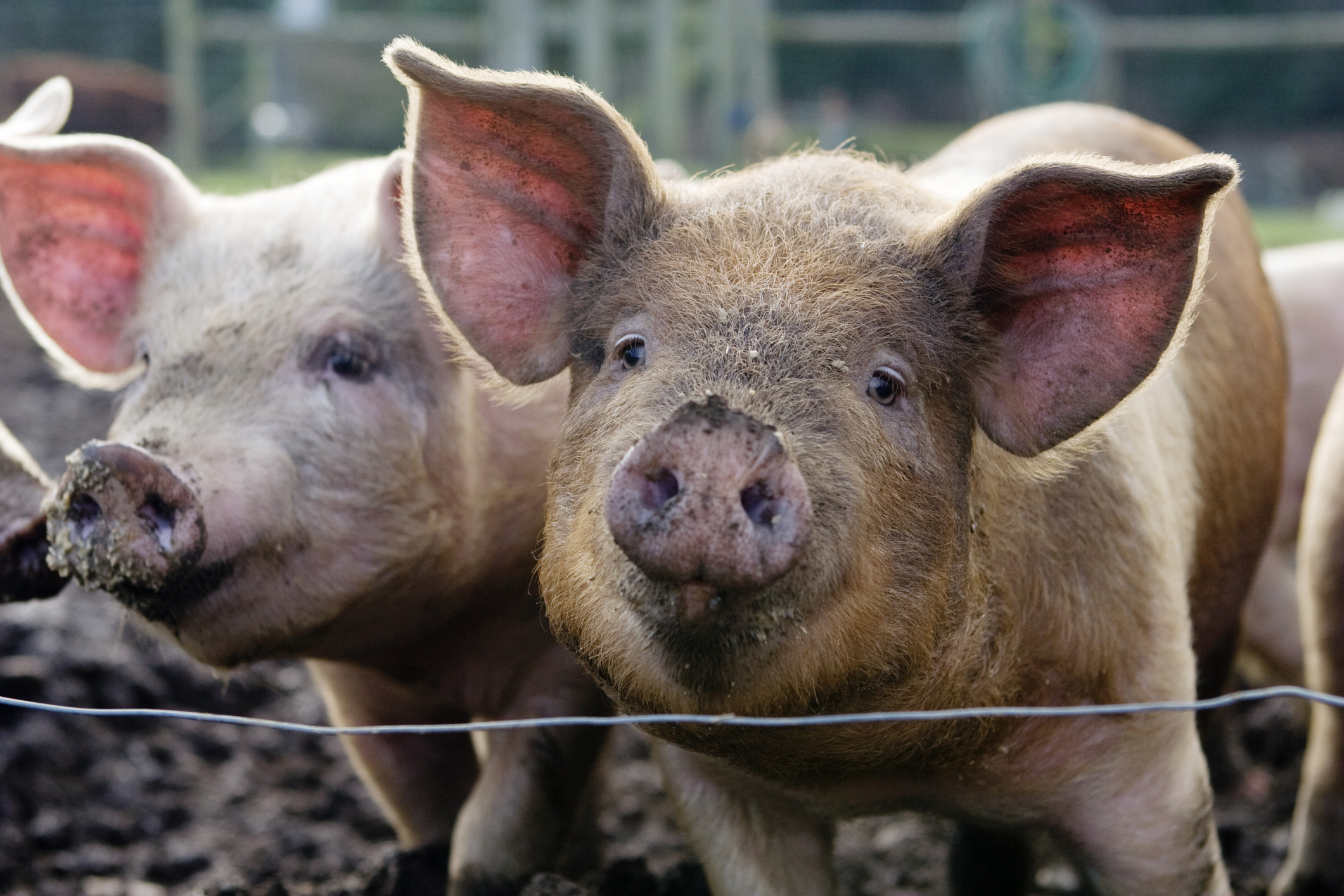
In 1978, Genentech scientist Dennis Kleid toured Eli Lilly's (LLY) insulin plant in Indiana. He saw something he said he’ll never forget: a line of railroad cars filled with frozen pancreases from cows and pigs.
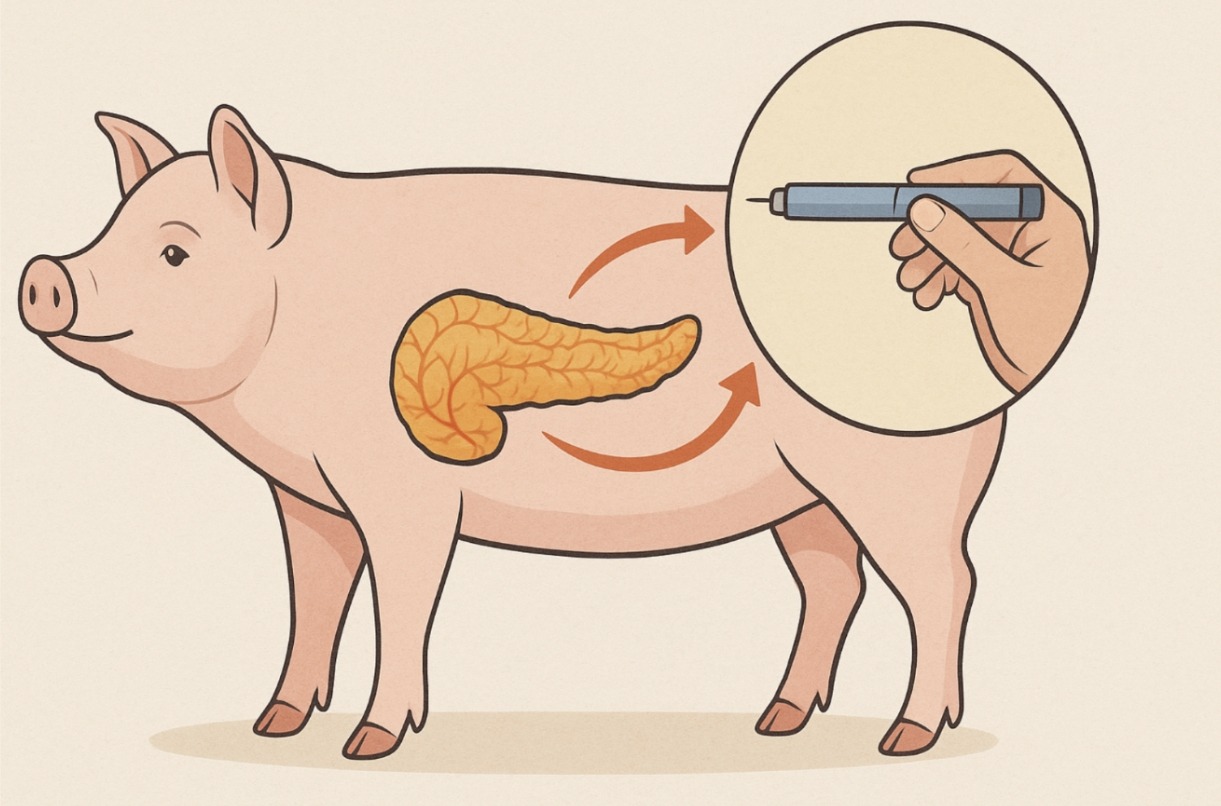
Lilly had been making insulin this way since 1923. Slaughterhouses shipped the glands to Indianapolis, where Lilly ground them up and purified a hormone inside them. It took 8,000 pounds of glands from 23,500 animals to make one pound of insulin. Lilly needed about 56 million animals a year to meet U.S. demand.
Thanks to America’s first great inflation, many Americans couldn’t afford to eat meat, so slaughterhouses were cutting back. Meanwhile, the number of Americans with diabetes kept rising, to about 5 million by 1976. A Lilly study group concluded that insulin demand would outrun the supply of animal pancreases within about 20 years. More pancreases or massive shortages.
A Factory The Size Of A Cell
Two years earlier, in 1976, 28-year-old venture capitalist Robert Swanson cold-called University of California biochemist Herbert Boyer. Boyer helped invent recombinant DNA, a technology that takes a gene out of one organism and pastes it into another. Over a couple of beers, the two men agreed to start a company. Each put in $500.
They called the company Genentech. Their plan was revolutionary: to turn bacteria into insulin factories, using human genes. Bacteria cells multiply rapidly. They can double every 20 minutes or so. Thus, a single engineered cell in a steel tank can become billions overnight.
In 1977, Genentech made the first human protein ever produced in bacteria, a small hormone called somatostatin. Insulin was next.
Insulin is built from two short protein chains, called A and B, joined together. Scientists at City of Hope, a Los Angeles medical center working with Genentech, built the genes for each chain from scratch – one DNA letter at a time. Genentech put the genes into separate batches of E. coli, let the bacteria multiply, harvested the two chains, and joined them. In late August 1978, a Genentech team led by David Goeddel made human insulin this way.
Lilly signed a deal to commercialize it on August 25, 1978.
Lilly was, at the time, the dominant insulin maker in the United States, with more than 50 years of experience. And yet it tied the future of its insulin business to a two-year-old startup with no products and a technology that federal rules still treated as a potential biohazard. Why? Because Lilly knew that Genentech had made one of the most important medical breakthroughs in human history. Nothing about drug making would ever be the same.
Having been extracting the hormone from glands for half a century, its scientists knew more about purifying insulin than anyone. The first fermentations ran in tanks of 10 liters or less and produced a few milligrams of each chain. By 1979, Lilly had permission to run 150-liter tanks, and Genentech's scientists found a genetic switch that made the bacteria produce about 50 times more insulin.
In 1980, Lilly began building plants in Indianapolis and Liverpool, England, investing $70 million in new factories.
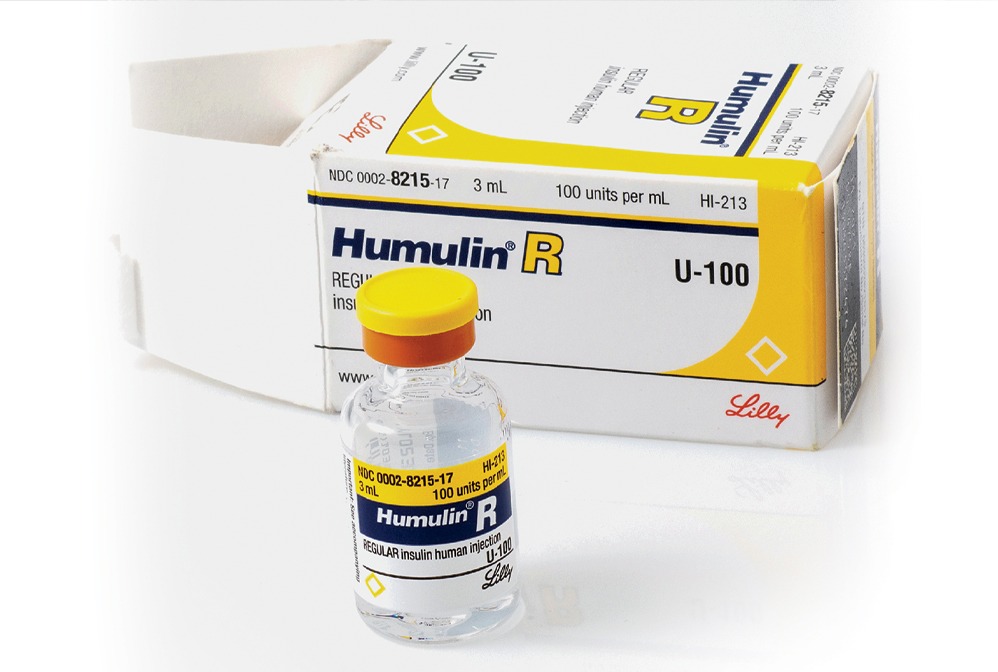
On October 28, 1982, after just five months of review, the Food And Drug Administration ("FDA") approved Lilly's Humulin. It was the first approved medical product of any kind made with recombinant DNA.
Fully human, recombinant insulin is a miracle. It is chemically identical to the hormone the human pancreas makes. It ended the allergic reactions that about 5% of diabetics suffered on animal insulin, saving thousands of lives every year.
The railroad filled with frozen pancreas cars went away. And the shortage never materialized.
The Financial Miracle Of A Biotech Bull Market
Genentech went public on October 14, 1980, at $35 a share, valuing the company at around $250 million.
Within an hour the stock hit $88, and it closed the day at $71.25. In the first half of that year, Genentech had earned $80,000 on only $3.5 million of revenue.
Then the hype faded, and within months the shares fell back to about $30, below the price of the initial public offering (“IPO”). Genentech's first product was still two years from approval. In 1990, Roche bought 60% of the company for $2.1 billion. Later, in 1999, it bought the rest of the company for $3.76 billion.
An investor who bought at the IPO price made just over 17% a year for 29 years – truly excellent results. But, if you bought shares at the high price on the IPO day, you made less than 10% a year for 29 years. And if you bought at notable market lows (like during Q4 1988 or in Q1 of 1990) you made incredible returns – more than 22% a per year.
There are two critical lessons here.
-
The winners in biotech are the companies that create platforms – entirely new ways of manufacturing drugs
-
The scope of the innovations can be so large that the market has no idea how to price the future value of the new technology. I mean, making human insulin with bacteria is straight science fiction!
Thus, the market for biotech stocks is incredibly inefficient. And that means, there’s tremendous opportunity for investors who know what they’re buying and are patient. Genentech’s technology was the most valuable medical innovation of all time when it was invented and commercialized in 1980. It would, in time, be worth more than $100 billion. But, even so, an investor had to be incredibly patient to realize market-beating gains over the next 30 years.
Today, Eli Lilly is again putting money into a small company that makes human proteins in E. coli. And, once again, a tiny company is about to change everything about the way drugs are made.
Let’s make sure we’re a part of what happens next.
To see the remainder of this issue, new recommendations, and full access to the Porter & Co. Biotechnology portfolio, click here.