Issue#163, Volume#3


Still Looks A Lot Like 1973 To Me
Inside Today's Issue
Sudden increases in inflation destroy bull markets.
In 1972, investors believed the Nifty Fifty could never fail. Polaroid, Xerox (XRX), McDonald’s (MCD), Disney (DIS) – these stocks were all unstoppable. They were “one decision” stocks: a group of dominant growth companies that were growing so fast that could justify any price. The group traded at about 42x earnings, compared with roughly 19x for the S&P 500.
And then? The Nifty Fifty collapsed. The S&P 500 lost about 48% from its January 1973 peak to its October 1974 low.
I believe the artificial intelligence (“AI”) trade is approaching the same kind of reckoning. Rising materials and energy costs threaten project margins. Rising interest rates threaten financing. Expensive stocks leave investors with zero margin for error. Today looks more like 1972 every day.
Before the 1972 election, President Richard Nixon pressured Federal Reserve Chairman Arthur Burns to pursue expansionary monetary policy. Sound familiar? Current President Donald Trump tried to indict the last chairman! And last Wednesday, Trump demanded that interest rates fall to “1%, or less.” This from a man who has bankrupted every company he led with too much debt.
In 1972, Washington financed both the Vietnam War and the expansion of domestic programs instead of paying for them with current revenue. I’m sure you know the history: paying for guns and butter led to inflation. But back then federal deficits only equaled about 2% of the economy.
Today?
Our deficits are 3x bigger: close to 6% of GDP this year.
In 1972, Congress approved a huge 20% Social Security benefit increase. That proved to be a major driver of inflation. Today, those kinds of increases happen automatically. And no one even notices. The fastest component of the government’s budget is interest. The second is entitlement spending.
No one is saying this yet, but spending it out of control and it’s going to lead to a huge inflationary spiral that could be worse than we experienced in the 1970s. The AI boom will not survive 10-year rates at 10%.
How do I know?
In mid-1973, before the energy crisis, wholesale industrial commodity prices were rising at an annual rate exceeding 10%. The Arab oil embargo followed in October. Oil nearly quadrupled in price, intensifying an inflation problem that already existed.
Today, our wholesale industrial commodity prices are up 12.3% through August. Manufacturers report shortages of copper, steel, electrical components, electronic components, and memory. Electrical components have appeared on the shortage list for 14 consecutive months, and electronic components for 18.
These are two key inputs needed to build the facilities supporting the AI boom. Scarcity can raise construction costs and delay the revenue expected to pay for that construction.
Now the Middle East war is threatening additional energy supplies. Last week, Saudi Arabia and the Houthis exchanged fresh strikes. Reuters reported damage to Saudi Arabia's East-West pipeline, and the Saudis suspended crude loadings at their Red Sea export hub. The fighting threatens an alternative route to shipping through the Strait of Hormuz, which remains constrained. A prolonged disruption means higher fuel and transportation costs can persist even as economic growth weakens. A lack of shipping capacity now threatens the world’s oil refineries, with shipping costs exploding to over $1 million per day for VLCCs (Very Large Crude Carriers).
For businesses, industrial inflation means higher costs and less margin. For investors, persistent inflation adds the threat of higher interest rates and lower stock valuations.
And what’s most at risk? The AI buildout. It requires enormous amounts of capital before the resulting revenue arrives.
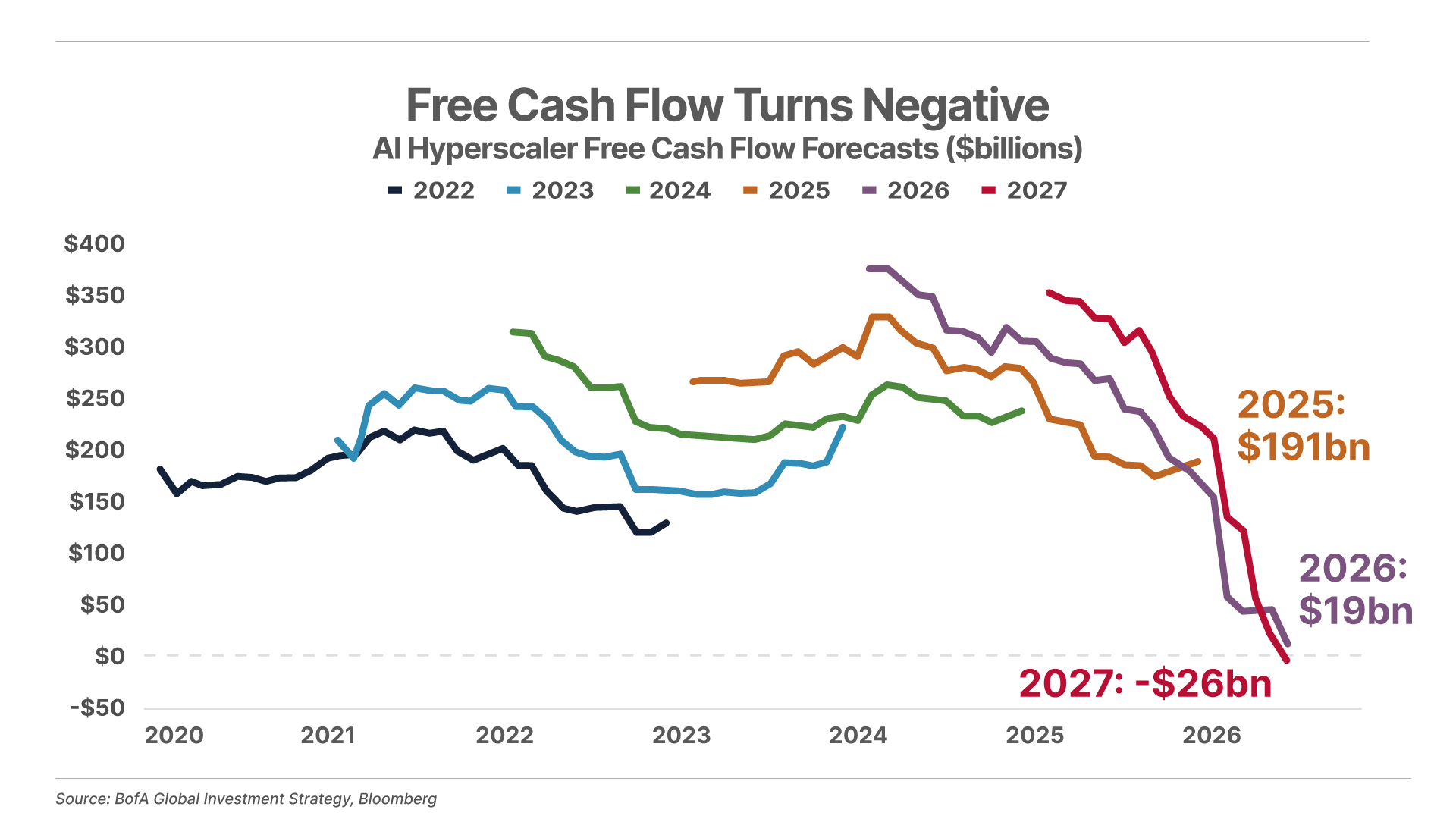
In its latest quarter, Oracle (ORCL) reported $28 billion of capital expenditures against $23 billion of operating cash flow, leaving negative free cash flow of $5 billion. Management expects $90 billion to $95 billion of capex for the full fiscal year.
All of the hyperscalers are in the same boat:
Meanwhile, in the stock indexes, it’s 1972 all over again. The 10 largest stock positions in the S&P 500 ETF account for an incredible 38.5% of the index. Stock sentiment researcher Jason Goepfert recently warned that the index was near its highs even as more stocks were making lows than highs. He says that’s only happened before twice: in 1973 and in November 1999.
We have expanding government spending, political demands for cheaper money, a widening Middle East conflict, shortages, and substantial industrial price inflation. We also have an enormous investment program that increasingly depends on outside financing.
The next year in the market is going to be very challenging.
Tell me what you think of today’s Daily Journal: porterstansberrydirect@gmail.com
Good investing,
F. Porter Stansberry
Stevenson, Maryland

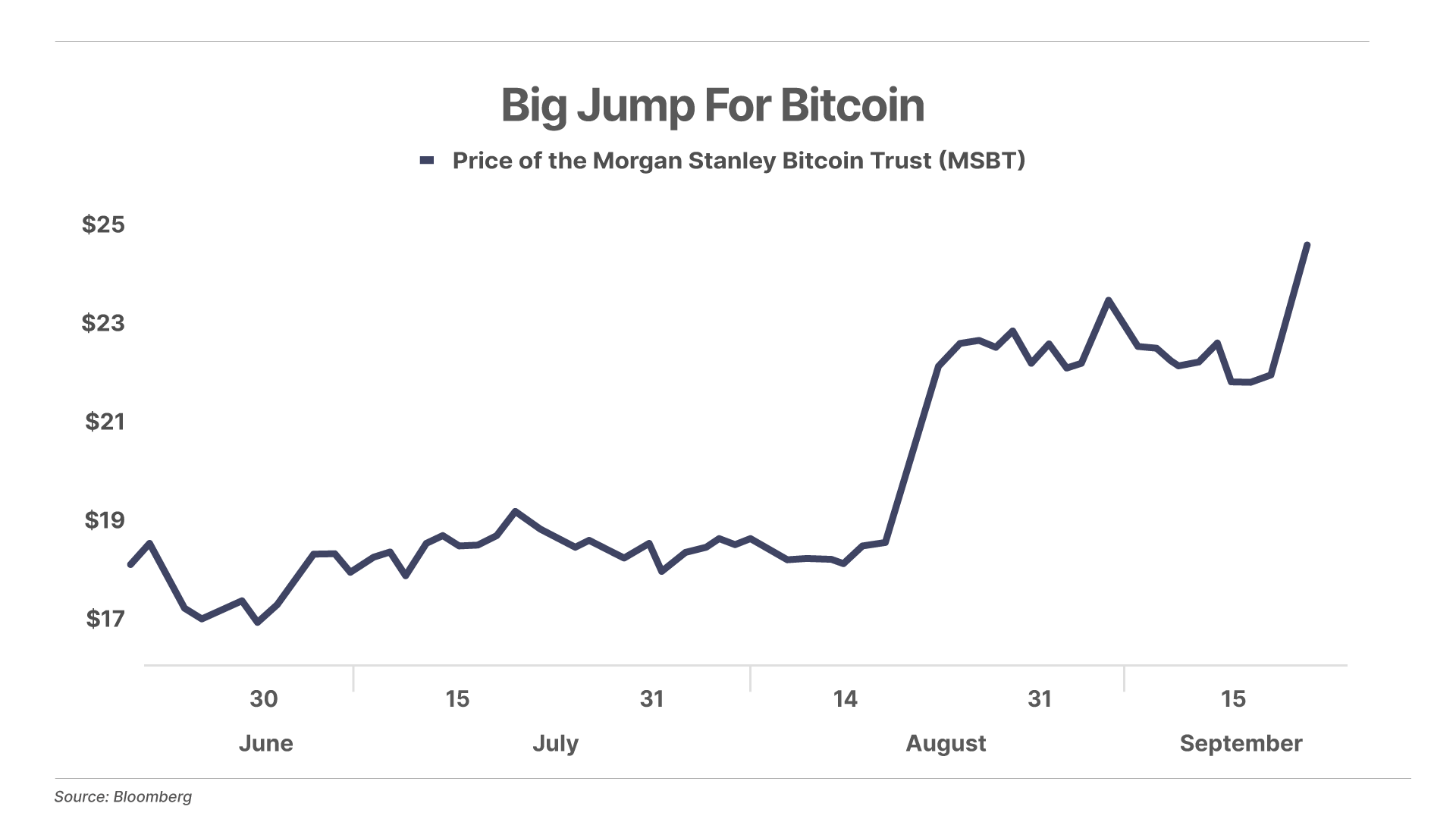
1. Housing affordability has never been worse. According to the Federal Reserve Bank of Atlanta, the average U.S. household needs $125,000 in annual income to buy the median-priced home – while the median household earns only $87,000. For a decade after the financial crisis, those two lines moved together. Then came zero-percent interest rates, a pandemic-era surge in home prices, and the fastest rise in mortgage rates in 40 years. Now with the 10-year Treasury at 5%, mortgage rates are more likely to go up than down. 2. The diesel shortage is caused by a lack of refineries, not crude oil. Attacks have damaged these plants, which turn crude oil into fuel. Combined diesel exports from the Persian Gulf and Russia are down roughly two-thirds from 2025, according to Reuters. And U.S. refineries, already running at 96.8% of capacity, can’t make up the difference. In August, Gulf crude exports were about 55% of pre-war levels, but diesel exports were just 25%, the International Energy Agency says. In early September, U.S. diesel was 94% above its pre-war price, versus 45% for Brent crude. 3. Stocks are becoming more sensitive to interest rate volatility. The ICE BofA MOVE Index – the “VIX of the bond market” – measures how much traders expect Treasury yields to swing over the next month. At a correlation of -1 with the S&P 500, stocks would fall every time the MOVE rose; at zero, the two would be unrelated. Its 30-day correlation with stocks has fallen to -0.58, versus just a -0.25 correlation as of early September. Over the past 30 trading days, the MOVE rose 3% or more in a single day eight times, and the S&P 500 fell on seven of them. Morgan Stanley Bitcoin Trust (MSBT) is up 29% since we recommended it in Complete Investor on June 20. Scarce assets like Bitcoin perform best when governments debase their currency and wage earners fall behind (see #1 above). Chris K. writes: I would like to thank you for offering the names of some stocks and ETFs regarding secret dividends. As an oldtimer on fixed income, I have paid for other investment research subscriptions that are not Porter's, but they are much too expensive. I am humbled when I see you giving away some investment thoughts that may be crucial in helping seniors with some chance of success regarding their investments. Marcel A. writes: I learned a lot from the “Secret Dividend.” Thank you, Porter. Please note: The investments in our “Porter & Co. Top Positions” should not be considered current recommendations. These positions are the best performers across our publications – and the securities listed may (or may not) be above the current buy-up-to price. To learn more, visit the current recommendations page of the relevant service, here| New Window. To gain access or to learn more about our current recommendations, call our Customer Care team at 888-610-8895 or internationally at +1 443-815-4447.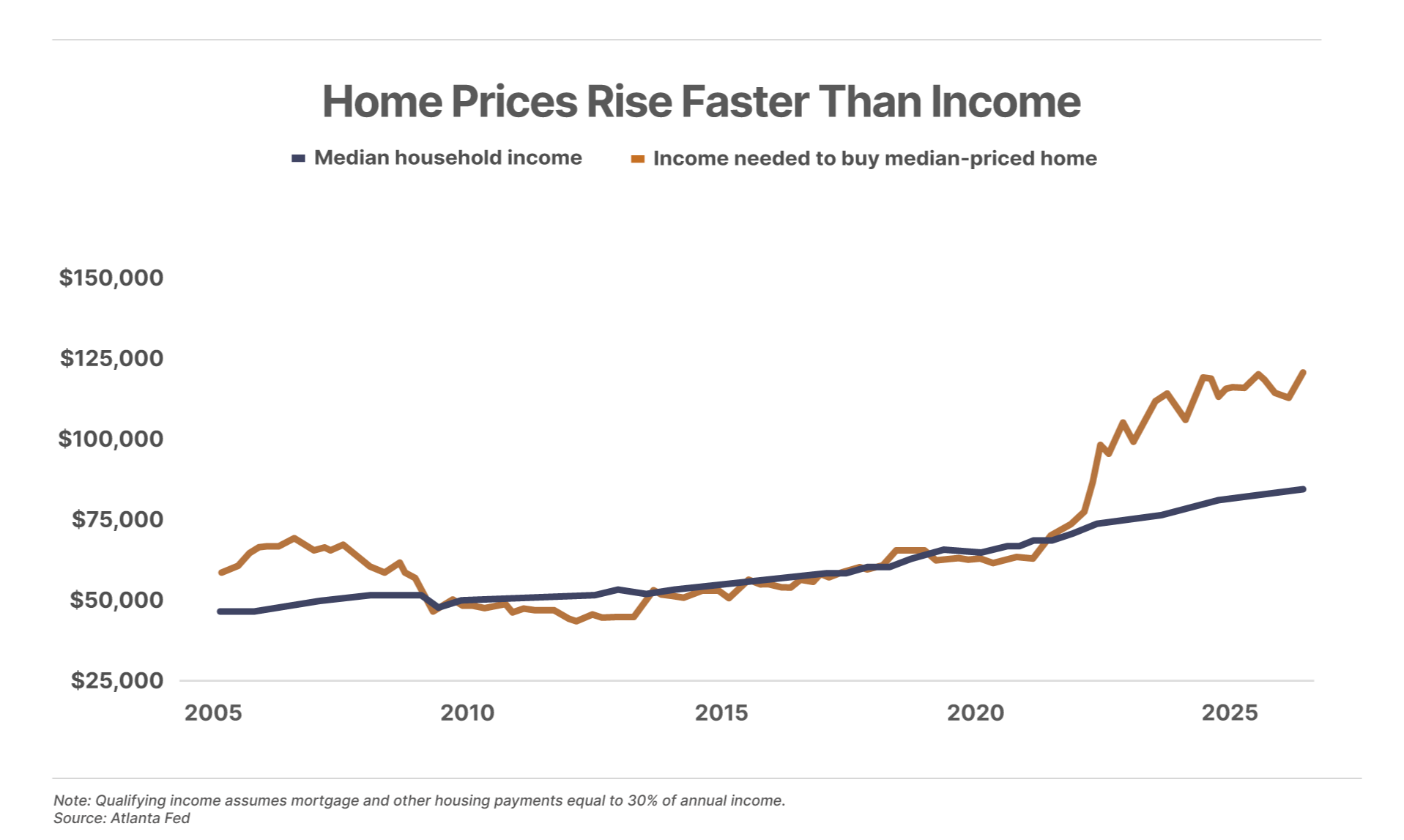
“Secret Dividends”
Porter & Co. Market SnapshotPorter & Co. Top Positions