Issue#162, Volume#3


Four Companies That Are Paying Them In The Right Way
Inside Today's Issue
Editor’s note: Before we get into Porter’s Journal for today, we want to share his new Ignition Point broadcast. In the newly released video, he reveals how several separate technological forces are fusing to create what Porter calls “the next Mag7.” Watch it here.
Yesterday I wrote to you about “secret” dividends.
These are the huge sums of corporate profits that end up being allocated to things besides cash dividends. Finance bros call these decisions “capital allocation,” and they frequently make all of the difference between a winning investment and a losing one. After all, only about 35% of corporate earnings come back to you directly in dividends. Most of the cash ends up in other places.
One thing a good management team will do with these funds is pay the second kind… a secret dividend. This is a way of returning capital to you – but it’s a dividend that never shows up in your brokerage account. There isn’t a record date. There isn’t an ex-dividend date. There is no particular time limit to benefit from these dividends and they’re not announced – you can’t know exactly when they will be paid. You just have to keep track of them by watching the company’s share count. If they’re paying a lot of these kinds of secret dividends, then the share count will fall. And, as a result, your ownership interest will grow over time.
That can make you extremely rich. But these kinds of secret dividends can also ruin you. The difference comes down to one question to ask:
Do You Trust The People Running The Company?
When a company sends out 90% of its cash as a normal dividend, there is less room for management to hurt you. You get the money. You decide what to do with it. But when a company keeps the cash… borrows more money… and buys back stock… you are handing your checkbook to the people in the boardroom. You are trusting them to know what the business is worth. You are trusting them to tell the truth about the cash. You are trusting them not to borrow too much. You are trusting them not to buy stock just because it makes the next quarter look better.
That is why the second secret dividend – share buybacks – is so powerful. And that is why it is so dangerous.
When it goes wrong, it can destroy even the biggest and strongest business in the world.
Look at General Electric (GE). By the year 2000, under Jack Welch, GE was the most valuable public company in the world. But just eight years later, GE had taken on so much debt that it was one of the biggest borrowers on Earth – it owed more than $700 billion, making it the 10th largest sovereign borrower in the world! Think about that. GE is not a country!
These enormous debts meant shareholders were not merely trusting GE’s managers to run their industrial business. They were trusting them to allocate around one of the biggest piles of borrowed money in the world. They were trusting them to decide how much to borrow. When to buy another business. When to buy back shares of GE.
But… GE wasn’t even telling the truth about its own earnings!
In 2009, the Securities and Exchange Commission charged GE with civil fraud. The government said GE had used improper accounting to make earnings look better than they really were. Among other things, GE was accused of pulling more than $370 million of locomotive revenue into earlier periods and using accounting changes that added $585 million to 2002 profits.
GE paid $50 million to settle the case.
That should have told investors everything they needed to know. You cannot trust a management team with $700 billion in borrowed money when it lies about its own earnings. A disaster was only a matter of time. (And yes, I knew it at the time – I told investors in 2010 that GE would soon collapse in an accounting disaster.)
In 2014, GE bought the power businesses of French engineering company Alstom. GE said the deal would cost about $13.5 billion. It told investors the deal would add to earnings right away. It promised billions of dollars in savings. But GE was not just buying turbines and power plants.
It was buying long-term service contracts. These were the same kinds of contracts GE Power already used to report earnings long before the customers paid the cash. It was all a scam. GE Power would sign a service contract that might last for many years. The company would estimate what it would cost to do the work in the future. Then it could record profit today based on those future-work estimates. If management later decided that future costs would be lower, it could report more profit right away.
The cash did not have to show up first. The estimate was enough.
You’ll never guess what happens when the people who get to make these “estimates” are the same people whose bonuses are tied to the “profits” these estimates create. I mean, you’ll never guess.
In 2016, about one-quarter of GE Power’s reported profit came from changes in estimates of future costs. In the first three quarters of 2017, nearly half of Power’s reported profit came from those estimate changes.
GE also sold future payments from those service contracts to GE Capital. That made the cash coming in today look better. But it meant GE was pulling money from the future into the present. Then the whole story fell apart.
In 2018, GE took a roughly $21 billion write-down in its Power business.
The lesson is simple. A company cannot make a bad business good by buying back stock – it can only make it look good for a very short amount of time. A company cannot borrow its way out of a business problem. And, of course, a company cannot survive for long on paper profits that never end up accruing cash.
GE did all three. And it very nearly went bankrupt.
The Same Thing Happened At Boeing
Jim McNerney came from the Jack Welch school. He spent years at GE before becoming Boeing’s (BA) chief executive in 2005.
Boeing was one of the greatest engineering companies in the world. Its job was simple: build the best airplanes in the world. But the company became more focused on cost cutting, outsourcing, margins, Wall Street targets, and the stock price.
To make the share price look good, it bought back huge amounts of stock.
In 2014 alone, Boeing bought about $6 billion of its own shares. Then it approved another $12 billion plan to buy more. Buying back stock did not cause the 737 MAX crashes. But the buybacks tell you something about what management cared about. Boeing did not need a better plan for buying back shares. It needed to protect the thing that made Boeing valuable in the first place: great engineering, great manufacturing, safety, and trust.
A secret dividend cannot replace any of those things.
That’s to say, simply finding companies that pay huge secret dividends isn’t enough.
What matters, ultimately, is how the underlying business performs and whether or not the share buybacks happen at the right price and for the right reasons.
Who does it best? Apple (AAPL).
Apple has bought back nearly $880 billion of its own stock since 2013. That is more money than any company in history has spent buying back its own shares. But Apple was not buying back stock to hide a broken business.
Apple was buying back stock because it was one of the best businesses in the world… and because the stock market badly misunderstood it.
From 2016 through 2018, many investors looked at Apple and saw a phone company. They worried the iPhone would stop growing. They worried about China. They worried that Apple depended too much on one product. They worried that the next iPhone would not be good enough. So they gave Apple an ordinary share price.
But Apple was not an ordinary company. Apple developed an entirely new business model, based on intellectual property. Apple did not need to build any factories. It did not need to own huge amounts of land. It did not need to spend most of its money building new facilities. Instead, Apple simply designed great products. It made the software. It owned the brand – not the stores, not the factories, not the land.
That meant Apple could return huge amounts of cash to shareholders – far more than most companies with the exact same amount of earnings. In 2016, Apple spent about $10.5 billion on buildings, equipment, and other long-term items. That sounds like a lot of money. But Apple generated $216 billion in sales that year. So it spent less than five cents of every sales dollar on the long-term things it needed to keep the business growing.
In 2017 and 2018, the number was about the same: roughly five cents out of every sales dollar.
That is tiny for a company of Apple’s size. Most companies are not like that. Most companies need giant new factories, trucks, machines, land, inventory, and debt just to stay in business. But not Apple.
Apple had a mountain of cash left over after it paid for the things it needed. But the market didn’t give Apple the premium share price its business model deserved. In fact, it was so mis-priced relative to its return on invested capital that even Warren Buffett noticed. Berkshire Hathaway started buying Apple in 2016. It kept buying through 2017 and 2018, when Apple still traded like a big hardware company instead of the cash machine it had become.
By the end of 2018, Berkshire owned about 245 million Apple shares on a split-adjusted basis. That was roughly 5.7% of Apple. Buffett did not need to understand every new phone feature. He saw a company with a great brand, loyal customers, huge cash, low spending needs, and a stock price that did not match the business.
Apple’s board saw the same thing. So it took a mountain of cash and used it to buy more and more of its own AAPL shares.
Apple’s incredible buyback campaign over the last decade is an excellent example of how much wealth can be created for shareholders with secret dividends – when they’re executed in the right way. GE and Boeing are the cautionary tales.
Today there are several companies that are paying big secret dividends in the right way.
MSCI (MSCI) sells the stock indexes, ratings, and data tools used by the biggest money managers in the world. It is a tollbooth business. Once a big pension fund or investment company builds its work around MSCI’s data, changing is hard. That gives MSCI huge cash and very low spending needs. In 2025, its board approved a new $3 billion plan to buy back stock. MSCI is the kind of company that can make the second secret dividend work because it earns a lot of cash without needing to build giant factories.
O’Reilly Automotive (ORLY) sells brake parts, batteries, belts, filters, and the other things drivers and repair shops need right now. It has bought back roughly $27.5 billion of its own stock since 2011. This works because the business is strong. A repair shop cannot wait a week for the right part. O’Reilly’s stores, warehouses, delivery system, and deep parts list matter every day.
Tractor Supply (TSCO) sells feed, fencing, tools, work clothes, dog food, truck supplies, and the things rural homeowners and farmers need. Since 2007, it has spent more than $6.6 billion buying back stock. It has cut the number of shares by nearly 8% since 2021. The company has kept buying even as sales have slowed and investors have worried. That does not guarantee the stock is cheap. But it shows you what owner-like management looks like: a simple business, real cash, and a board willing to buy more when the market is less excited.
Next plc (NXT.L) is a British clothing and home-goods seller. Most clothing stores are not great businesses. But Next is different because it treats every pound of cash like it matters. It uses cash for online growth, small deals, dividends, special B-share payments, and share purchases when the price makes sense. In its latest year, Next returned £839 million ($1.1 billion) to owners.
These are not identical companies. But they share one important thing. They make real cash. They do not need to make big capital investments to grow. And their boards understand that buying their own stock is an investment – not a trick.
If you want to specialize in investing in companies that pay big secret dividends, there are several funds and exchange-traded funds (“ETF”) that are based on this strategy.
But most have the same problem. They look only at the number of shares that disappeared. They do not ask whether the business is good. They do not ask whether the company has too much debt. They do not ask whether the company bought stock when it was cheap.
Here is a quick guide:
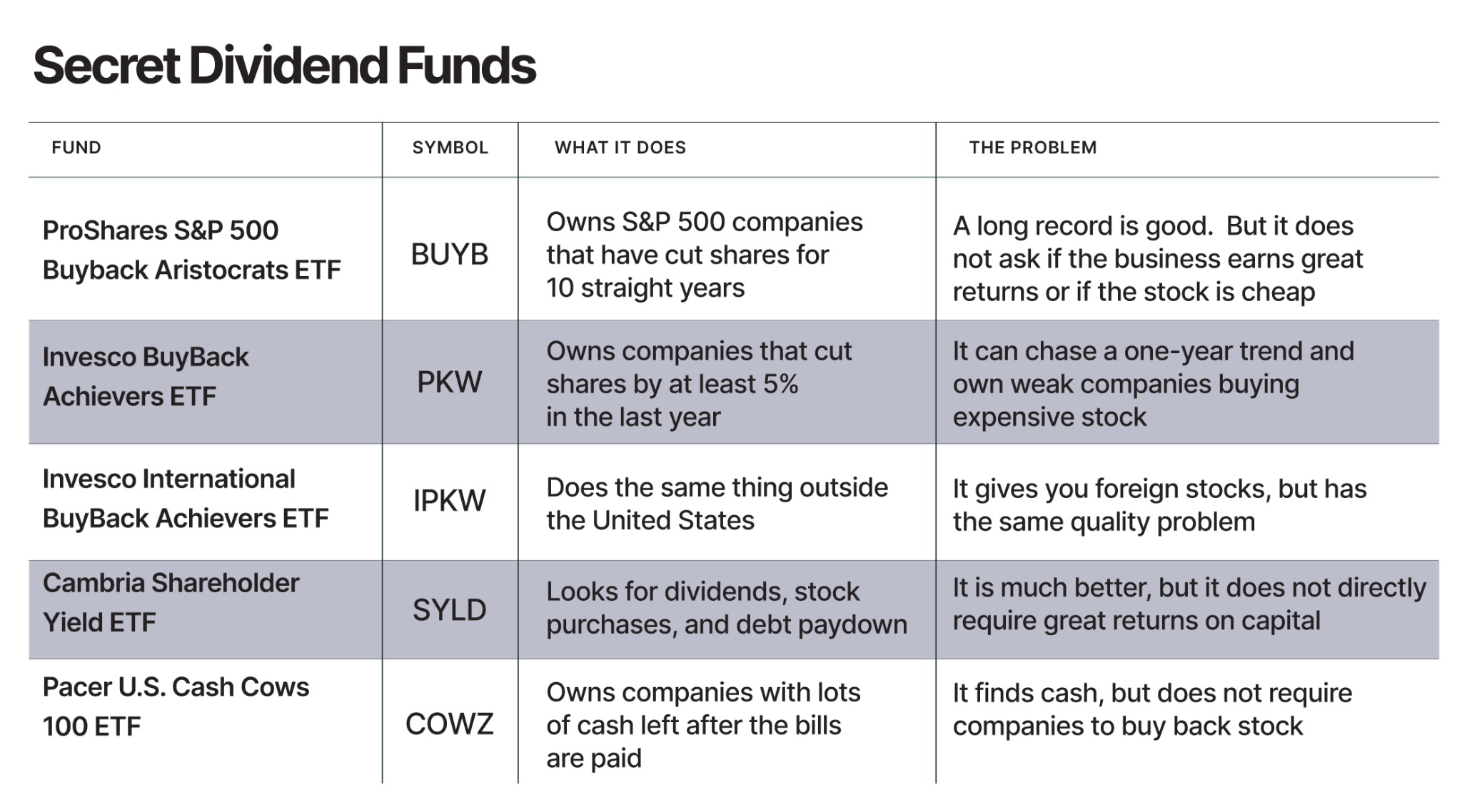
If you want one fund today, I would choose Cambria Shareholder Yield ETF (SYLD).
Its founder, Meb Faber, is a friend of mine. More important, he is one of the most honest people in this business. Cambria understands something that most Wall Street firms miss. A company should not get credit just because it buys back stock. If it pays down debt, pays a dividend, and buys stock with real cash, that is much better than borrowing money just to make its share count smaller.
Tell me what you think of today’s Daily Journal: porterstansberrydirect@gmail.com
Good investing,
F. Porter Stansberry
Stevenson, Maryland
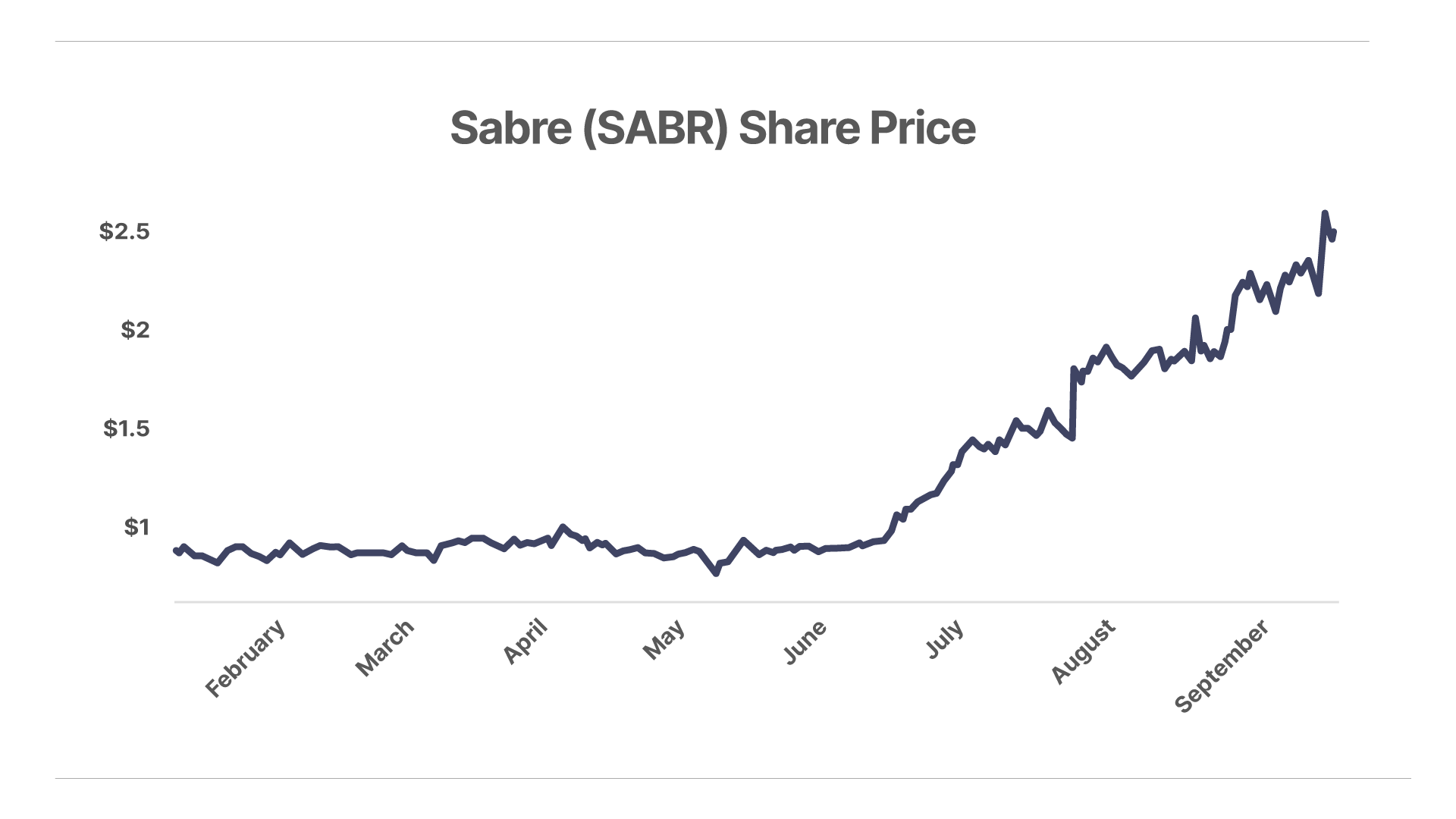
1. People are staying unemployed longer. One in four unemployed Americans has been looking at least six months for work. As of August, 1.93 million people, or 27.0% of all unemployed, have been out of work 27 weeks or longer, up from 17.8% in February 2023. While unemployment holds steady at 4.1%, it’s getting harder to find a job. 2. Diesel supply is tightening on both sides of the Atlantic. With diesel and heating-oil supplies already drastically low, ExxonMobil's (XOM) Joliet, Illinois, refinery, which makes roughly 11 million gallons (6% of Midwest capacity) of gasoline and diesel a day, has been offline since a power outage on Sunday. Meanwhile, state-run oil producer Saudi Aramco told European refiners this week that they will get no crude next month after a drone strike shut the East-West pipeline, which bypasses the Strait of Hormuz. 3. Meta (META) taps the junk bond market. Bitcoin miner, now data-center operator, CleanSpark (CLSK), is seeking to raise $2.2 billion in a junk-bond offering to fund a Meta-backed data center in Georgia. This is a notable shift in credit quality for Meta’s AI-infrastructure financing, previously done through investment-grade bonds. Data-center operators have issued $39 billion of high-yield debt so far this year, making it one of the fastest growing areas of the junk bond market. Yesterday, travel-software provider Sabre (SABR) issued new bonds and repurchased existing ones, reducing the company’s total obligations coming due in 2029 and 2030 by 45% to $1.7 billion. SABR shares rose 11% to $2.32 on the news. Year to date, shares of Sabre, a Distressed Investing recommendation, are up 70%. Yesterday, Porter shared details about various types of dividends that companies pay – and not all of them are cash paid out on a specific date as the business details in advance. Brady G. writes: Hi Porter, Kenneth P. writes: As we say down south, that shit ain’t right!!! Jack P. writes: It is an absolutely interesting article. Please note: The investments in our “Porter & Co. Top Positions” should not be considered current recommendations. These positions are the best performers across our publications – and the securities listed may (or may not) be above the current buy-up-to price. To learn more, visit the current recommendations page of the relevant service, here| New Window. To gain access or to learn more about our current recommendations, call our Customer Care team at 888-610-8895 or internationally at +1 443-815-4447.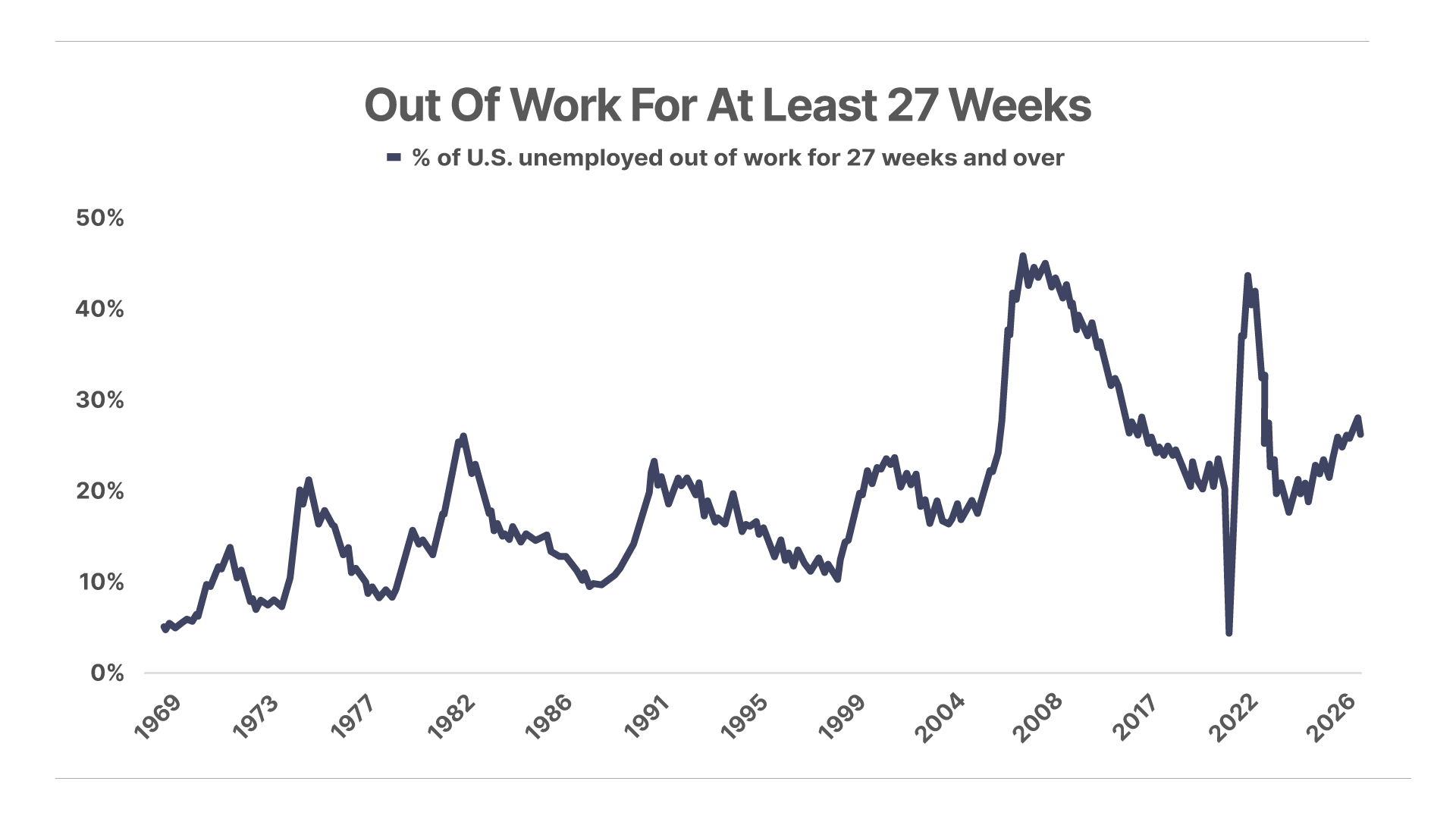
“Secret Dividends”
Your work has educated, surprised, and impressed me over the years. 2029: The End Of America was outstanding – I read it twice. Thank you. This Daily Journal, however, may be at the top of my list.
I had never heard of these types of dividends and do not understand how they are legal. From bond traders and private-equity firms to politicians engaged in insider trading and IPO insiders, retail investors are constantly reminded that the deck is stacked against them.
Thank you for talking about this type of dividend. That is why I am a Partner – to learn how to really make money and how the smart and savvy people do it!
Keep on preaching and exposing the real way!
Crawdaddy.
How can I, an average investor, access such secret dividends?Porter & Co. Market Snapshot
Porter & Co. Top Positions